
 ADABATV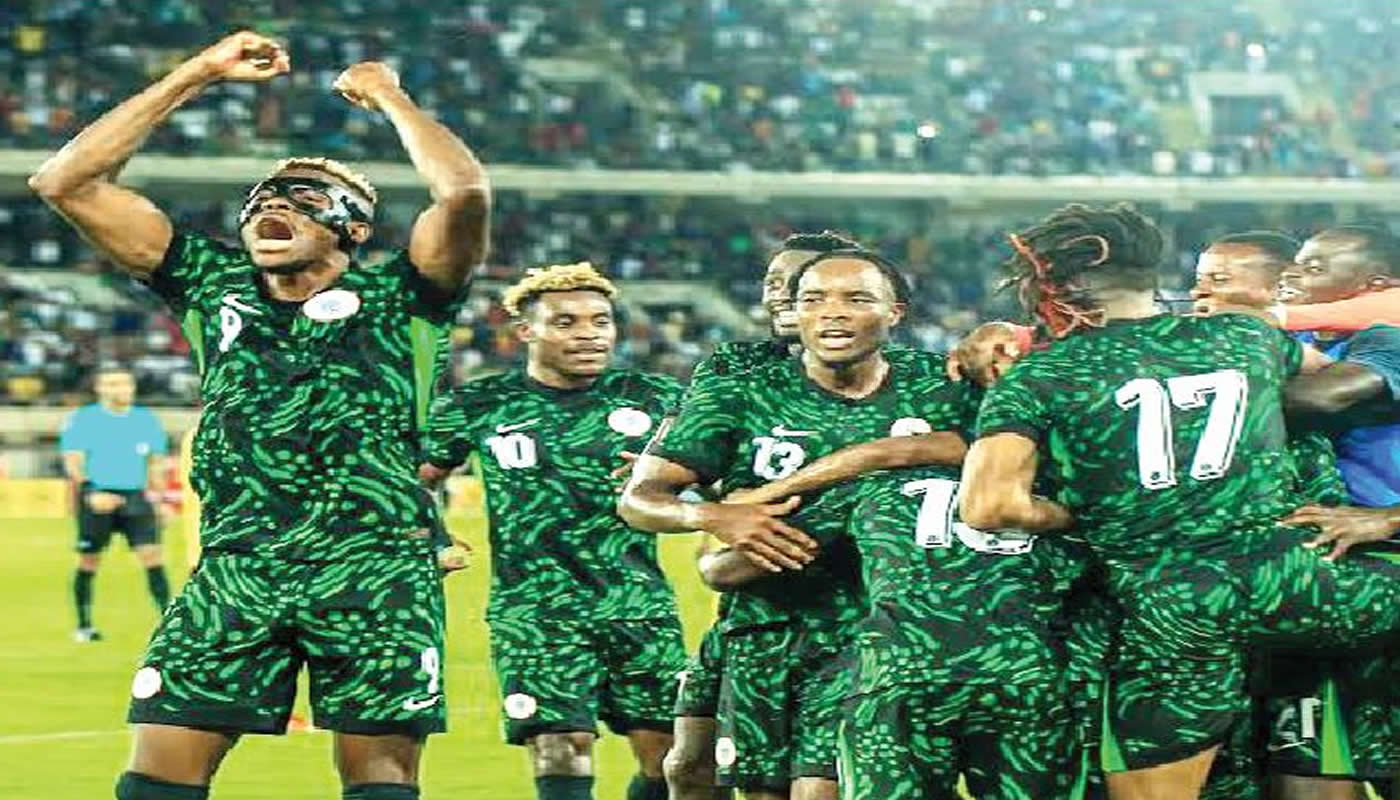
Nigeria’s long road to the 2026 FIFA World Cup may not be over after all. Fresh developments have thrown the spotlight back on the Super Eagles, following confirmation that the Nigeria Football Federation (NFF) has formally challenged the eligibility of several DR Congo players used during the World Cup qualification play-offs.
The revelation has sparked renewed optimism among Nigerian football fans, with the possibility that Nigeria’s path to the tournament in the United States, Canada, and Mexico could be reopened.
What Happened?
Nigeria’s World Cup dream appeared to end in November, when DR Congo edged the Super Eagles 4–3 on penalties after a tense African play-off clash in Morocco. That defeat ruled Nigeria out of contention for the intercontinental play-off—at least, that was the initial belief.
Since then, DR Congo were handed a direct spot in the final of the intercontinental play-off, where they are scheduled to meet the winner of the semi-final clash between New Caledonia and Jamaica.
However, that position is now under serious threat.
NFF Raises Red Flag Over Player Eligibility
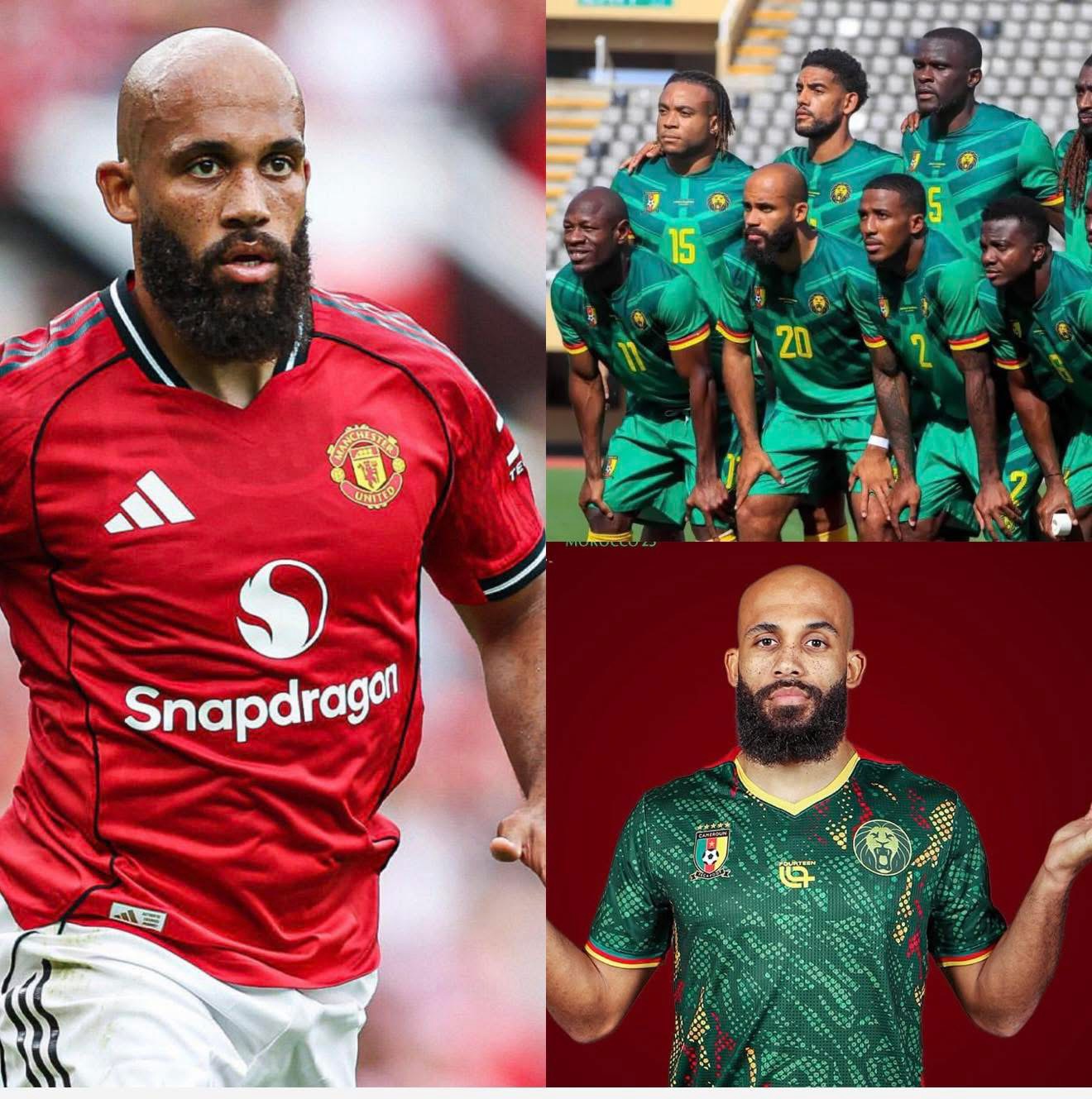
The NFF has confirmed it has lodged a formal complaint over the eligibility of multiple DR Congo players who featured in the decisive play-off match. According to reports, between six and nine players who switched allegiance to DR Congo may not have fully complied with the country’s legal requirements before representing the national team.
While FIFA reportedly approved the players based on the possession of valid DR Congo passports, the controversy lies in domestic law. DR Congo’s constitution does not recognize dual citizenship, yet several of the players in question are alleged to still hold foreign nationalities—primarily French, Dutch, and other European passports—without formally renouncing them.
“The Loophole We’re Exploring” — NFF
A senior NFF executive, speaking on the matter, revealed that Nigeria’s legal team has already submitted relevant documents to FIFA.
“Their constitution does not allow dual nationality. About six to nine players had that status during the play-off. That’s the loophole we’re exploring,” the official said.
NFF General Secretary Dr Mohammed Sanusi also confirmed that the federation has formally faulted the process through which the players were cleared.
“We are waiting. The Congolese rules say you cannot have dual citizenship,” Sanusi explained.
“Some players hold European passports. FIFA cleared them based on documentation presented, but our position is that FIFA was misled.”
He stressed that while FIFA operates on documents submitted by national associations, the responsibility to ensure compliance with domestic laws lies with the country involved.
“What we are saying is that the process was fraudulent,” he added.
A Second Chance for Nigeria?
If FIFA upholds the petition and rules in Nigeria’s favor, it could dramatically alter the qualification landscape—potentially restoring Nigeria to the race for the 2026 World Cup after fears of missing back-to-back tournaments following the failure to qualify for Qatar 2022.
For DR Congo, the stakes are equally high. The nation has only appeared at the World Cup once—in 1974, when it competed under the name Zaire. Any sanctions could derail what had looked like a historic opportunity.
What Happens Next?
FIFA is expected to review the submissions and determine whether the eligibility process violated DR Congo’s domestic laws in a way that materially affected competition integrity.
Until a final ruling is made, Nigeria’s World Cup dream remains alive—hanging delicately on legal interpretation and football governance.
👉 Do you think Nigeria deserves another shot at qualification if the allegations are proven?
Drop your thoughts in the comment section below.