
 ADABATV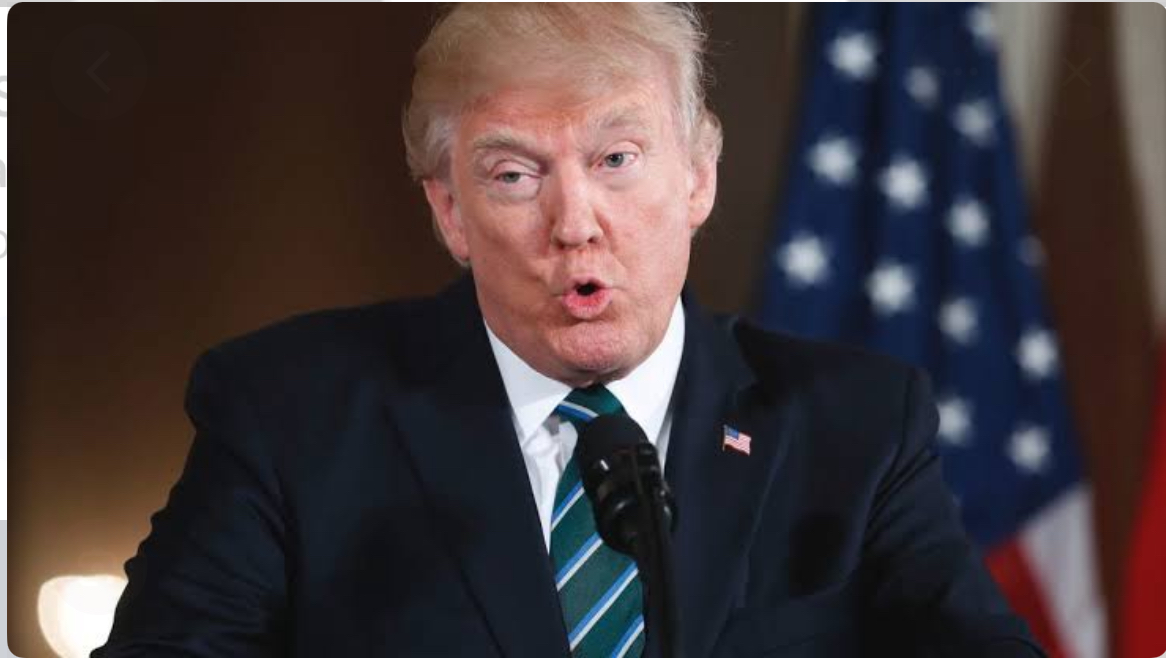
The United States government has announced a fresh expansion of its travel restrictions policy, with Nigeria now included among countries facing partial entry limitations.
The move follows a new Presidential Proclamation signed on Tuesday, December 16, 2025, by President Donald Trump. According to a fact sheet released by the White House, the decision is part of what the administration describes as a broader effort to strengthen U.S. national security and public safety.
Why the US Says the Restrictions Were Expanded
The White House explained that the updated policy targets countries considered high-risk due to long-standing weaknesses in screening, vetting, and information-sharing systems. Officials argue that these gaps make it difficult for U.S. authorities to properly assess individuals seeking entry into the country.
In the official document, the administration stated that the restrictions are designed to prevent the entry of individuals “about whom the United States lacks sufficient information to determine potential risks.”
President Trump, quoted in the fact sheet, emphasized that protecting Americans remains a core responsibility of the presidency, adding that immigration controls must prioritize safety.
Nigeria’s Inclusion Raises Fresh Concerns
Nigeria is among 15 countries newly placed under partial restrictions, a category that allows limited entry but imposes tighter controls on specific visa types.
This development comes weeks after President Trump had earlier designated Nigeria as a “country of particular concern” following allegations of religious persecution, particularly claims relating to violence against Christians.
Although Nigerian authorities have repeatedly disputed such characterizations, the designation appears to have influenced the latest immigration decision.
Countries Facing Full Entry Restrictions
Under the new Proclamation, full entry bans and limitations continue to apply to the original 12 countries previously listed, including:
Afghanistan, Burma, Chad, Republic of the Congo, Equatorial Guinea, Eritrea, Haiti, Iran, Libya, Somalia, Sudan, and Yemen.
In addition, five more countries—Burkina Faso, Mali, Niger, South Sudan, and Syria—have now been moved into the full-restriction category. Individuals traveling with Palestinian-Authority-issued documents are also affected.
Laos and Sierra Leone, which were once under partial restrictions, have now been upgraded to full limitations.
Partial Restrictions Still Apply to Other Nations
Apart from Nigeria, several other countries remain subject to partial travel restrictions, including Burundi, Cuba, Togo, and Venezuela.
Newly added to this category are Angola, Antigua and Barbuda, Benin, Côte d’Ivoire, Dominica, Gabon, The Gambia, Malawi, Mauritania, Senegal, Tanzania, Tonga, Zambia, and Zimbabwe.
Who Is Exempted?
Despite the expanded restrictions, the Proclamation outlines specific exemptions. These include:
- Lawful permanent residents (green card holders)
- Existing visa holders
- Diplomats and certain official visa categories
- International athletes and select professionals
- Individuals whose entry is deemed to serve U.S. national interests
However, the administration noted that some family-based immigrant visa pathways have been tightened, citing concerns over document fraud. Case-by-case waivers will still be considered.
The US Government’s Broader Justification
The White House highlighted several recurring issues across the affected countries, such as:
- Unreliable civil records and weak birth registration systems
- Corruption affecting document verification
- Poor cooperation with U.S. law enforcement agencies
- High visa overstay rates
- Refusal to accept deported nationals
- Security risks linked to terrorism, crime, and extremist activity
Officials argue that the country-specific approach is intended to encourage cooperation and improvements rather than impose blanket penalties.
Legal Backing and Policy Direction
The administration also referenced a previous U.S. Supreme Court ruling, which upheld similar travel restrictions, affirming that such measures fall within presidential authority when tied to legitimate national security concerns.
According to the White House, the policy aligns with President Trump’s broader pledge to reinforce border security and reintroduce what he describes as “common-sense” immigration controls.
One Country Removed from the List
Interestingly, the Proclamation also revealed that Turkmenistan, which previously faced restrictions, has shown improved cooperation with U.S. authorities. As a result, the ban on non-immigrant visas for Turkmen nationals has been lifted, although immigrant visa suspensions remain.
🗣️ What do you think about Nigeria being added to the US travel restriction list?
Do you see this as a security measure—or a diplomatic setback?
Drop your thoughts 💭 in the comments section.
Let’s talk.